

THE FUTURE OF CO2
The Summit Carbon Solutions pipeline isn’t just infrastructure.
We’re turning a byproduct that is otherwise wasted into the atmosphere into an asset.
It's a generational investment that delivers immediate, tangible wins for farmers, ethanol producers, American energy independence, and national and economic security.
What the pipeline unlocks.
Billions in new revenue for ethanol and corn.
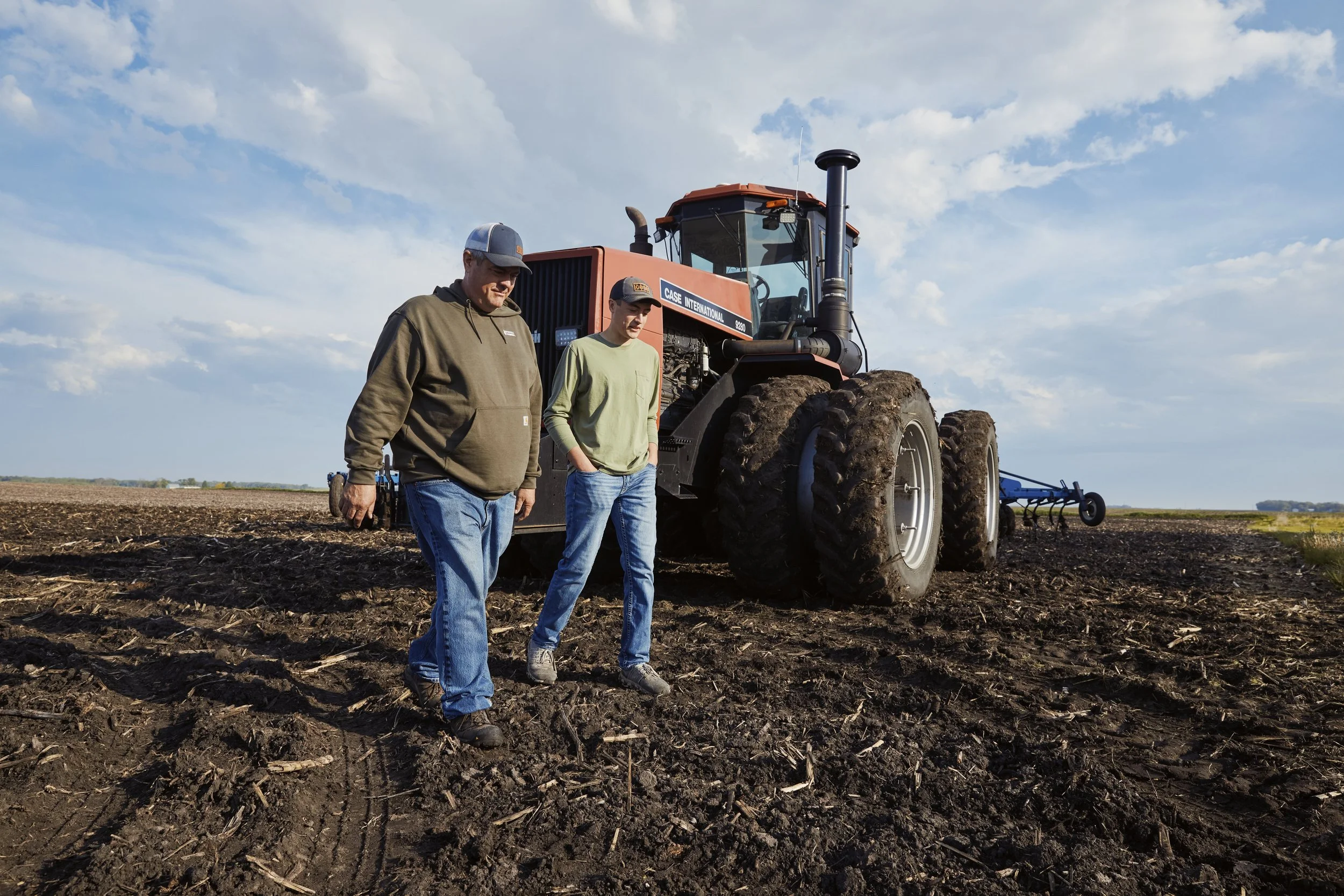
Summit Carbon Solutions unlocks billions in new revenue for ethanol plants by capturing and transporting CO2, opening new markets such as sustainable aviation fuel (SAF) and premium domestic and international ultra-low-carbon markets. This means higher ethanol profits and much-needed growth in local corn demand, putting more money directly into farmers' pockets and ensuring rural economic growth for decades.
A critical CO2 supply artery for American energy.
Summit Carbon Solutions becomes the critical CO2 supply artery for America's most prolific oil and gas basins—the Powder River, DJ, Bakken, and Permian—providing CO2 needed to sustain and expand domestic oil production.
That same CO2 artery creates new opportunities for CO2 utilization, including synthetic fuels such as e-natural gas and e-methanol.
Together, these opportunities strengthen American energy production, expand markets for captured CO2, and support America's long-term goal of energy dominance.
What is Enhanced Oil Recovery?
Enhanced oil recovery (EOR) is a proven technique for extracting oil that conventional drilling methods leave behind. CO2 is injected directly into aging oil reservoirs under pressure, where it mixes with crude oil, reduces its viscosity, and pushes it toward production wells.
The result: dramatically higher yields from existing fields without the cost or footprint of new exploration. All while lowering the carbon intensity of oil.
EOR using CO2 is not new. It has been in use in the United States for more than 50 years and has enabled hundreds of millions of barrels of domestic production. What has limited its expansion is a consistent, affordable, large-volume supply of CO2.